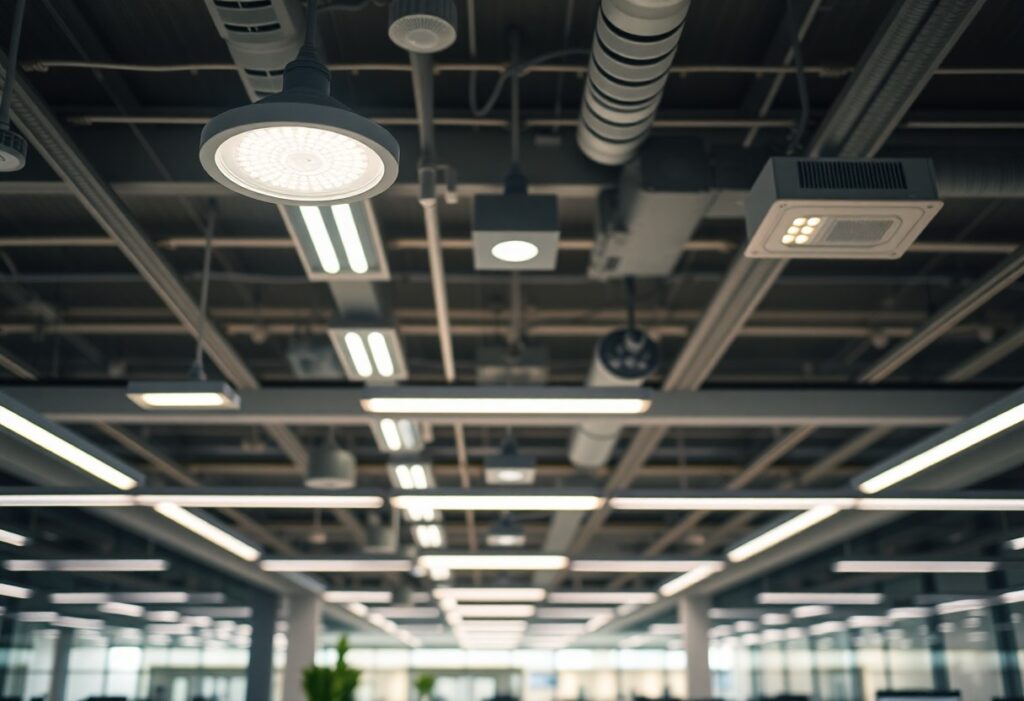
Over the years, you may have encountered several electrical code violations that pose serious safety risks in new construction. Understanding these common missteps can help you ensure your project not only complies with regulations but safeguards your investment. From improper wire sizing to inadequate grounding, recognizing these issues can save you from future headaches. For more insights, consider checking out Common Code Violations in Your Home You Need to Know. This knowledge will empower you to make informed decisions and enhance the integrity of your electrical installations.
Key Takeaways:
- Improper grounding techniques can lead to safety hazards and code violations; ensuring all electrical systems are grounded correctly is important.
- Using undersized wiring for circuits can increase the risk of overheating and potential fire hazards; always adhere to the specified gauge requirements for different loads.
- Not adhering to proper placement and access for electrical panels can create accessibility issues and violate codes; panels should be easily reachable without obstruction.
Overview of Electrical Code Violations
Before you commence on any new construction project, it’s vital to understand the role of electrical codes in ensuring safety and functionality. These codes are established guidelines that govern electrical installations, providing standards to protect both people and property. Violations of these codes can lead to serious consequences, as they can compromise the integrity of your electrical system and create hazardous conditions.
Importance of Electrical Codes
An understanding of electrical codes is imperative for any construction project. These regulations are designed to guarantee that electrical systems are installed safely, preventing potential hazards that could arise from improper installations. By following these codes, you ensure compliance with local laws and promote overall safety in your home or building.
Impact of Violations on Safety and Property
The danger of electrical code violations extends beyond mere compliance; it can significantly impact the safety of your living or working environment. When codes are ignored, you expose yourself and others to risks such as electrical fires, shock, and even fatalities. Moreover, inadequate electrical systems may lead to costly repairs and structural damage, affecting your property value and personal investment.
Further, the repercussions of electrical code violations can carry lasting implications. If your home or building faces issues due to improper installations, you may need to conduct extensive repairs or upgrades to meet safety standards. This could arise not only from code enforcement inspections but also from insurance evaluations, which might affect your coverage or claims. Prioritizing compliance from the outset can save you from future headaches and expenses, ensuring peace of mind in your investment.
Violation 1: Improper Wiring Techniques
There’s no denying that improper wiring techniques are among the most prevalent issues found in new construction. These mistakes could have serious implications for both safety and functionality.
Common Wiring Errors
On many job sites, you might encounter common wiring errors like loose connections, incorrect wire sizing, or using the wrong type of wire for specific applications. These issues are often a result of negligence or lack of attention during the wiring process, which can lead to system inefficiencies and hazards.
Consequences of Poor Wiring
Violation of proper wiring standards can lead to significant risks, including electrical fires, equipment damage, and even personal injury. Your home’s safety could be compromised due to malfunctioning circuits or overloading issues.
Due to the potential dangers associated with poor wiring practices, it’s necessary to insist on proper techniques from the beginning. Conduct regular inspections and ensure that your electrical contractor adheres to established codes, as these measures help safeguard both your investment and the well-being of those who occupy your space.
Violation 2: Inadequate Grounding and Bonding
Not having proper grounding and bonding can lead to serious safety issues in any construction. Grounding refers to the process of connecting electrical systems to the earth, while bonding involves connecting different components, ensuring they have the same electrical potential. Both practices are imperative for protecting you and your property from electrical faults.
Definition of Grounding and Bonding
Bonding is the method by which electrical systems and equipment are interconnected, forming a pathway for electricity to flow safely in case of a fault. Grounding acts as a direct link to the earth, reducing the risk of electric shock and protecting your equipment from surges.
Dangers of Inadequate Grounding
Among the risks of inadequate grounding are shocks, fires, and equipment damage. If your system lacks proper grounding, any electrical fault could lead to severe consequences for you, your family, and your property.
The dangers escalated when grounding is insufficient; it can create a hazardous environment where electrical surges may go unchecked, resulting in unpredictable behavior of your electrical devices. You might find that appliances malfunction or that you experience annoying electrical shocks. Improper grounding also increases the risk of electrical fires, which can cause significant damage to your home and jeopardize safety. Prioritizing proper grounding and bonding during new construction helps safeguard against these dangers.
Violation 3: Insufficient Circuit Capacity
Unlike prior years, modern homes accommodate an increasing number of electrical devices and appliances, making circuit capacity a critical consideration. Insufficient circuit capacity can lead to complications, including system overloads and frequent tripping of circuit breakers. Ensuring that your circuits meet current load requirements is imperative for safe and efficient electrical system performance.
Understanding Circuit Load Requirements
Between the appliances you use daily and the evolving demands of your home, determining the adequate load requirements for your circuits is fundamental. Each circuit has a specific capacity measured in amperes, which should align with your usage patterns to avoid overload and ensure your electrical system can handle current and future needs.
Risks Associated with Overloaded Circuits
Capacity limitations of circuits can lead to multiple risks, including overheating, which poses a significant fire hazard. If your circuits are frequently overloaded, you may experience damage to your electrical components, resulting in costly repairs. Additionally, overloaded circuits can cause inconsistencies in power supply, leading to malfunctioning appliances and disruptions in your daily routines.
Also, as the demand on your circuits continues to grow, the risks amplify. You should consider the potential for damage not just to wires and outlets, but also to any devices and appliances using that power. Ignoring the signs of insufficient circuit capacity can lead to dangerous situations; hence, assessing your electrical demands and upgrading accordingly is a wise investment in safety and efficiency.
Violation 4: Incorrect Installation of Receptacles and Switches
All too often, new construction projects fall victim to incorrect installation of receptacles and switches. This not only leads to potential hazards but also violations of Electrical code violations in new construction. Proper installation is crucial to ensure electrical systems function safely and efficiently.
Types of Receptacles and Their Applications
Among the many types of electrical receptacles, each serves a different purpose based on its design and electrical capacity:
| Receptacle Type | Application |
| Standard 15-Amp | General household appliances |
| 20-Amp | Kitchen appliances and power tools |
| GFCI | Locations prone to moisture (e.g., bathrooms, kitchens) |
| TPR (Tamper-Resistant) | Child safety, required in homes with children |
| USB Ports | Charging mobile devices |
Recognizing the different types helps you choose the correct receptacle for your needs, enhancing safety and convenience.
Common Mistakes in Mounting and Wiring
After understanding the types of receptacles, it’s important to address common mistakes in installation. Misalignment of receptacles, incorrect wire color orientation, and failing to secure wiring can lead to significant issues. Each of these oversights can result in malfunctioning devices or potential safety hazards.
Installation practices greatly affect the performance and safety of your electrical systems. Common mistakes you might encounter include installing receptacles upside down, which can confuse users and technicians; neglecting to use mounting brackets securely, leading to loose fixtures; and improper drilling of holes that can damage wires. Staying vigilant during installation can prevent these errors, ensuring a safe and functioning electrical system in your new construction project.
Violation 5: Non-Compliance with Outdoor Wiring Standards
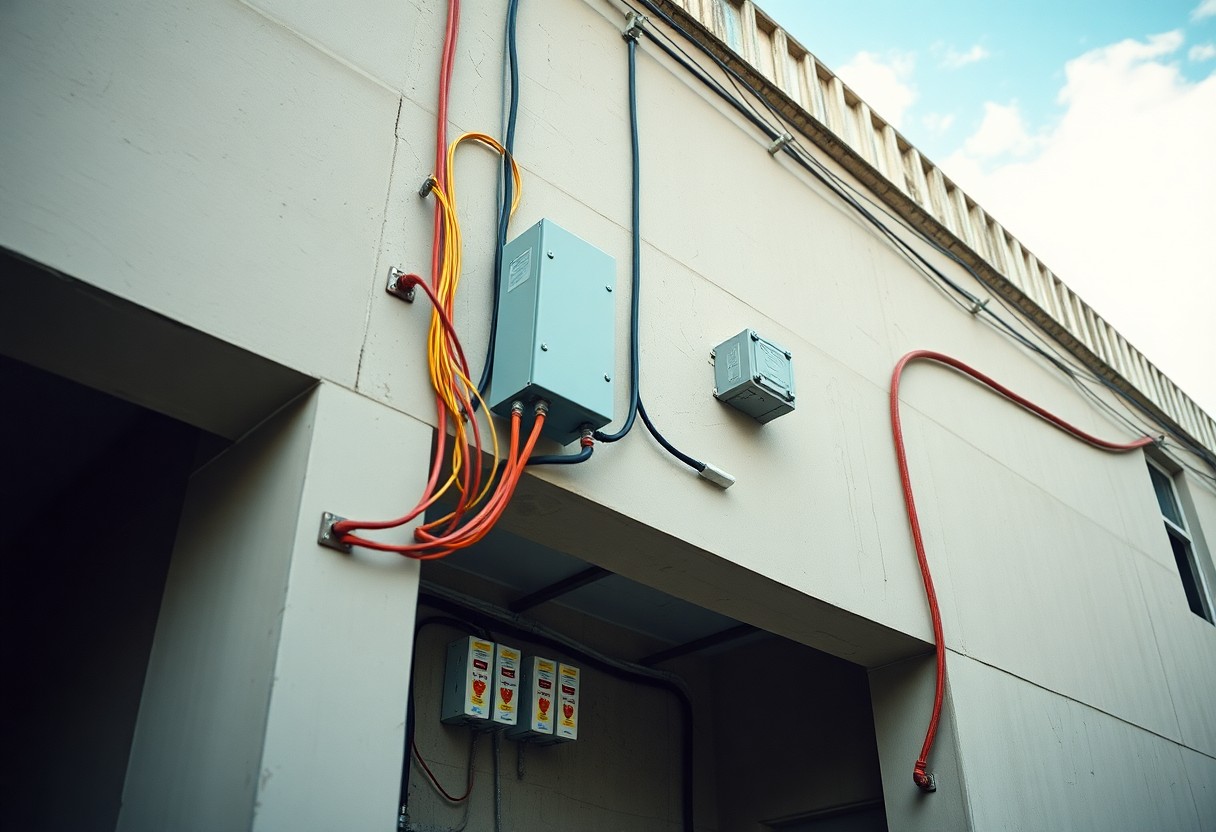
Keep in mind that adhering to outdoor wiring standards is vital for safety and functionality. These regulations ensure that electrical installations in outdoor settings can withstand environmental challenges and minimize hazards. For instance, all outdoor wiring should use materials rated for moisture and UV exposure to prevent deterioration over time.
Requirements for Outdoor Electrical Installations
Around the home, outdoor electrical installations must comply with specific requirements to ensure safety and efficiency. This includes the use of weather-resistant conduit, proper grounding, and secure mounting techniques. Each of these measures contributes to a reliable electrical system that can endure outdoor elements.
- Installation of GFCI outlets for water safety
- Use of appropriate wiring methods suitable for the environment
- Regular inspections to identify wear or damage
Knowing these requirements can help you avoid violations.
Environmental Factors and Their Impact
Outdoor installations face various environmental challenges, including moisture, temperature extremes, and sunlight exposure. These factors can significantly affect the integrity and performance of your electrical systems. For instance, excessive moisture can lead to short circuits and corrosion, while prolonged sun exposure can deteriorate wiring insulation over time.
- Moisture can lead to electrical shorts
- Extreme temperatures can affect performance
- Sunlight can degrade equipment over time
Knowing how these environmental factors impact your outdoor wiring will help you take preventive measures to ensure compliance and safety.
Due to the unique challenges associated with outdoor environments, it’s vital to select the right materials and techniques. For example, using weather-rated cables and protective enclosures can ensure that your system remains intact. Additionally, regular maintenance and inspections are necessary to identify and address any potential issues that may arise over time.
Summing up
Upon reflecting on the 5 common electrical code violations in new construction, it becomes clear that understanding these issues is crucial for you as a homeowner or contractor. By staying informed about proper electrical practices—such as inadequate grounding, incorrect circuit sizing, and improper installation of outlets—you can help ensure safety and compliance in your projects. Addressing these areas not only protects you and your property but also enhances the overall integrity and value of your construction. Prioritizing adherence to electrical codes ultimately leads to better outcomes for everyone involved.
FAQ
Q: What are the most frequent electrical code violations found in new construction?
A: The most common electrical code violations in new construction often include improper grounding and bonding practices, inadequate wire sizing for the load, insufficient circuit protection, lack of GFCI (Ground Fault Circuit Interrupter) outlets in wet areas, and improper installation of electrical boxes. Each of these issues can lead to safety hazards, and compliance with local codes is crucial for ensuring electrical systems operate properly and safely.
Q: How does improper grounding affect the electrical system in a new construction?
A: Improper grounding can create a serious safety risk by increasing the likelihood of electrical shock and fires. Grounding systems are designed to direct excess electricity safely into the ground in the event of a fault. When grounding is not done correctly, it can lead to overvoltage conditions, equipment damage, and exposure to electric shock hazards. It is crucial for electrical installations to adhere strictly to grounding requirements outlined in the National Electrical Code (NEC).
Q: Why is it important to use GFCI outlets in specific areas of new construction?
A: GFCI outlets are important because they offer additional protection against electric shock in areas where moisture is present, such as kitchens, bathrooms, garages, and outdoor spaces. These outlets monitor the flow of electricity and can shut off the circuit if a ground fault is detected, thus significantly reducing the risk of electric shock. Not using GFCI outlets where required by code can lead to dangerous situations, especially in homes with children or in climate regions where water exposure is more common.