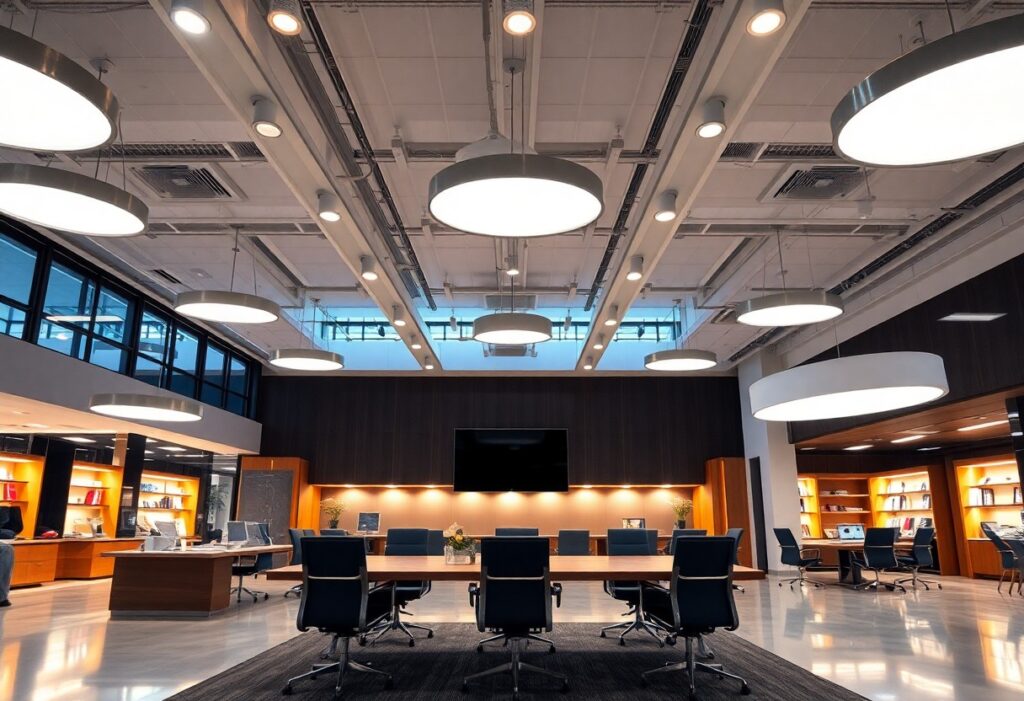
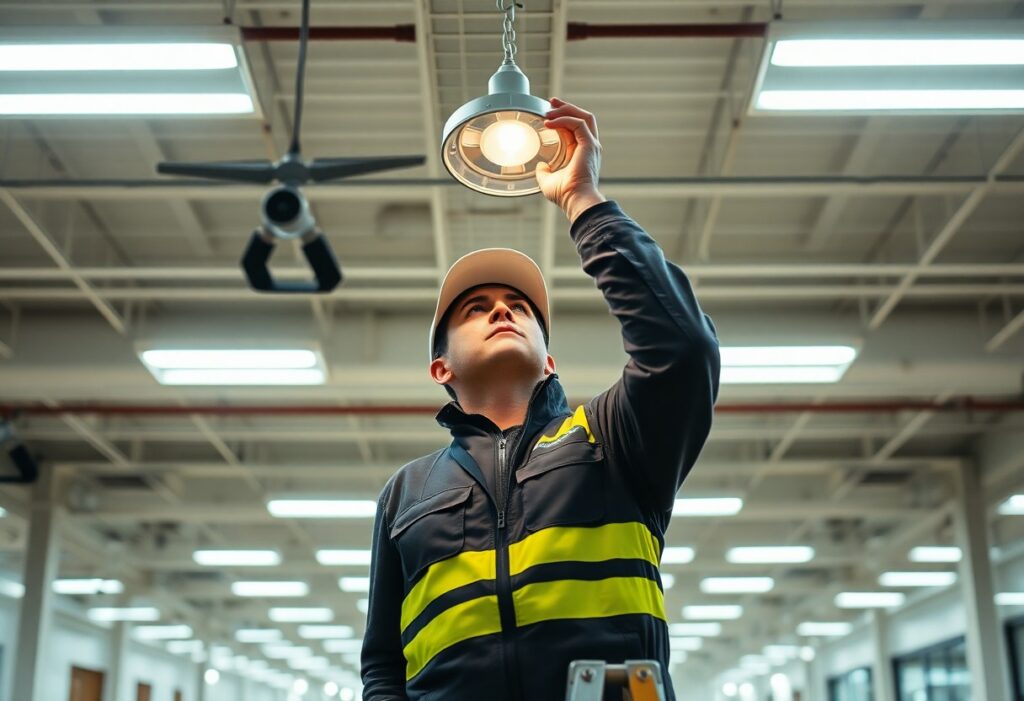
Over the years, efficient commercial lighting systems have become necessary for enhancing productivity and reducing energy costs in businesses. As you begin on designing these systems, consider various factors such as energy efficiency, lighting levels, and the specific activities occurring in your space. Understanding these elements will help you create an optimal lighting environment. For a deeper probe this topic, refer to our Comprehensive Guide to Effective Commercial Lighting.
Key Takeaways:
- Assess the specific needs of the commercial space, including tasks performed, ambiance desired, and energy consumption goals to create a tailored lighting solution.
- Incorporate advanced lighting technologies, such as LED fixtures and smart controls, to enhance energy efficiency and reduce operational costs.
- Ensure proper light distribution and layering to achieve effective illumination while minimizing harsh shadows and glare, improving overall comfort and productivity in the environment.
Importance of Efficient Commercial Lighting
Your commercial lighting system plays a pivotal role in enhancing operational efficiency and reducing costs. Implementing efficient lighting not only elevates the aesthetic of your space but also contributes significantly to your bottom line. As you design your lighting system, understanding its impact on energy use, sustainability, and productivity is vital to achieving optimal results.
Impact on Energy Consumption
One of the most immediate benefits of efficient commercial lighting is a noticeable reduction in energy consumption. By selecting energy-efficient fixtures and bulbs, you can substantially lower your electricity bills and contribute to a greener environment.
Benefits of Sustainable Practices
Besides conserving energy, adopting sustainable lighting practices helps your business become more environmentally mindful and socially responsible.
Sustainable lighting practices involve using eco-friendly materials and energy-efficient technologies, which can positively impact your brand image. As customers increasingly seek businesses that prioritize environmental sustainability, adopting these practices can enhance customer loyalty and attract a wider audience. Additionally, such measures often qualify your business for incentives or grants aimed at promoting energy-efficient initiatives.
Enhancing Workplace Productivity
About 70% of employees report that adequate lighting has a strong impact on their productivity and overall job satisfaction. By investing in efficient lighting solutions, you create an environment that fosters better focus and morale.
With the right lighting design, you can significantly influence your employees’ performance and well-being. Natural light and well-placed artificial lighting reduce eye strain and fatigue, leading to increased alertness and motivation. Furthermore, an adequately lit space in areas such as break rooms and meeting areas invites collaboration and creativity. Prioritizing efficient commercial lighting ensures that you set the stage for a thriving workplace culture.
Key Factors in Lighting Design
Now, let’s explore the crucial elements that contribute to effective commercial lighting design. Addressing these key factors ensures that you create an efficient system that meets the specific needs of your space.
- Space Utilization and Layout
- Type of Lighting Technology
- Light Levels and Color Temperature
- Controls and Automation Systems
Space Utilization and Layout
Against the backdrop of modern design, understanding how your space is utilized is vital. Consider whether areas are primarily for collaboration, focus, or social interaction, and tailor your lighting accordingly to enhance the functionality of each space.
Type of Lighting Technology
On the topic of lighting technology, selecting the right options is crucial. Your choices can include LED, fluorescent, and incandescent lighting, each with its unique benefits and limitations.
To maximize energy efficiency and lifespan, you should consider LED technology as your primary option. Not only do LEDs consume less power, but they also offer various color temperatures and lower heat emissions, making them suitable for most commercial environments. Additionally, they can easily be integrated with smart controls to enhance your lighting system further.
Light Levels and Color Temperature
Type of light levels and color temperatures can greatly influence mood and productivity in your work environment. Consider the following comparison for common spaces:
| Space | Recommended Light Levels (Lumens) |
|---|---|
| Office Spaces | 300-500 |
| Retail Areas | 1000-3000 |
| Meeting Rooms | 500-750 |
| Warehouses | 100-300 |
Even subtle variations in light levels and color temperatures can impact not just aesthetics but also employee productivity and customer experience. Warmer tones could create a cozy atmosphere, while cooler light can enhance focus and alertness.
Controls and Automation Systems
Before finalizing your lighting design, implement smart controls and automation systems that allow you to adjust lighting based on occupancy and time of day. This can lead to significant energy savings and improved user comfort.
Technology in lighting controls has evolved significantly, offering options such as motion sensors, daylight harvesting, and programmable schedules. By utilizing these systems, you can ensure that lights are only on when needed, enhancing both efficiency and convenience in your space.
Choosing the Right Fixtures
To create an effective commercial lighting system, selecting the right fixtures is vital to enhance functionality and aesthetics in your space.
Understanding Lumens and Watts
Choosing the right fixtures involves understanding the difference between lumens and watts. Lumens measure the brightness of light, while watts indicate energy consumption. You want to focus on lumens to ensure your fixtures provide sufficient light for your needs, without over-consuming energy.
Options: LED, Fluorescent, and Incandescent
At this point, you should evaluate the various lighting options available, such as LED, fluorescent, and incandescent lights. Each type has its own benefits and drawbacks, impacting your energy efficiency, maintenance costs, and overall lighting quality.
Hence, LEDs are known for their longevity and energy efficiency, making them ideal for large commercial spaces that require consistent lighting. Fluorescent lights are less expensive upfront but have a shorter lifespan and can flicker. Incandescent bulbs, while offering a warm light quality, consume more energy and require frequent replacement, which might not be suitable for commercial settings.
Fixture Aesthetics and Design
Along with functionality, the visual appeal of fixtures plays a significant role in your overall design. Choose fixtures that complement your commercial space while also addressing your lighting needs.
In addition, consider the style, color, and materials of your chosen fixtures to ensure they align with your brand identity and interior aesthetics. Properly designed fixtures not only enhance the atmosphere but can also elevate the professional appearance of your space, leaving a lasting impression on clients and employees alike.
Compliance and Regulations
Unlike residential lighting systems, commercial lighting must adhere to a variety of compliance and regulations to ensure safety, efficiency, and sustainability. Understanding these guidelines is key to designing effective lighting systems that meet legal standards while optimizing performance and cost-effectiveness.
Energy Codes and Standards
Compliance with energy codes and standards is imperative for commercial lighting systems. These regulations are designed to promote energy efficiency and reduce greenhouse gas emissions. Familiarizing yourself with local, state, and national codes will help you avoid penalties and improve your project’s sustainability profile.
Safety and Accessibility Requirements
After addressing energy standards, you must also ensure your lighting system meets safety and accessibility requirements. These guidelines aim to protect individuals within the space and guarantee that all areas are effectively illuminated for users of varying abilities.
Understanding safety and accessibility requirements can significantly impact how well your lighting system functions in a commercial setting. Compliance with the Americans with Disabilities Act (ADA) and other similar regulations ensures that light levels are adequate for everyone, including those with visual impairments. This not only enhances user experience but also promotes a more inclusive environment in your establishment.
LEED and Certification Processes
An important aspect of modern commercial lighting design involves understanding LEED (Leadership in Energy and Environmental Design) and other certification processes. These programs encourage environmentally friendly building practices, which can positively affect your project’s marketability and operational costs.
But achieving LEED certification is not just about meeting energy and resource use benchmarks; it also involves a comprehensive approach to your lighting design. This could include selecting appropriate fixtures, integrating smart technology, and ensuring effective control systems are in place to minimize energy consumption, all of which contribute to your overall project success.
Maintenance and Lifecycle Considerations
Many aspects of commercial lighting design hinge on effective maintenance and the overall lifecycle of your lighting systems. Focusing on these components can significantly impact both your operational efficiency and your bottom line over time.
Maintenance Costs and Schedules
Around the establishment of your lighting system, it’s important to predict maintenance costs and set schedules. Regular testing and cleaning of fixtures ensure they operate at peak performance and can help you avoid more expensive repairs or replacements down the line.
Durability and Replacement Strategies
Between various lighting options available today, durability can vary significantly. Selecting LED fixtures, for example, often extends the replacement cycle due to their long lifespan, which can save you money and reduce downtime.
Consequently, it’s advisable to develop a replacement strategy aligned with the life expectancy of your fixtures. This strategy should be based on the operating hours and usage patterns of your lighting. By planning ahead, you can purchase replacement units in bulk or schedule systematic upgrades that fit budget constraints, ensuring minimal disruption while maximizing efficiency.
Environmental Impact of Disposal
Costs associated with lighting systems extend beyond installation and maintenance. Environmental impact of disposal is also a consideration that can affect your company’s sustainability goals.
It is vital to understand how the disposal of lighting materials, particularly those containing hazardous elements like mercury in some fluorescent lamps, can affect the environment. Implementing a recycling program or choosing eco-friendly disposal methods not only enhances your corporate responsibility but also can lead to potential cost savings through government incentives or reduced landfill fees.
Case Studies and Best Practices
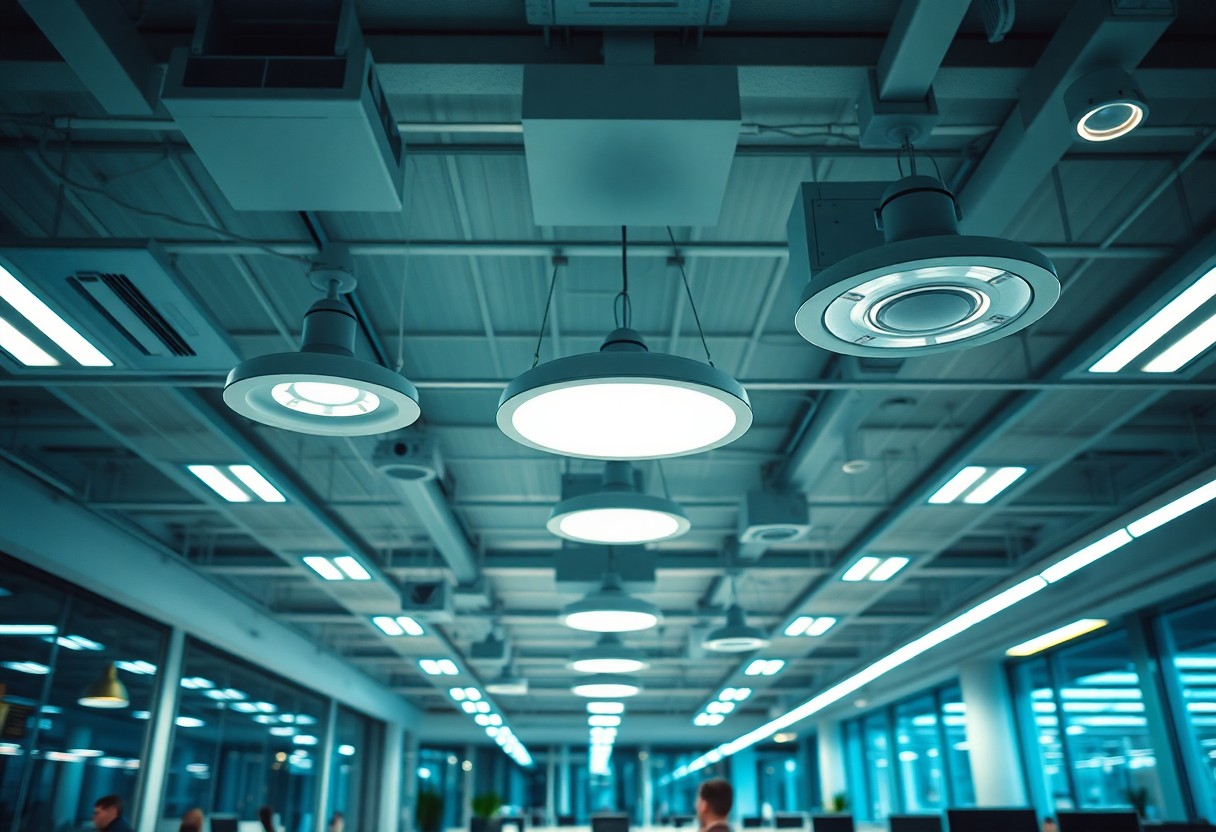
Not all commercial lighting systems are created equal. As such, it’s vital to take inspiration from successful implementations. Here are some notable case studies that highlight efficiency, innovation, and best practices in commercial lighting:
- Retail Chain Transformation: A major retail chain replaced traditional lighting with LED systems across 200 stores. The result? A 60% reduction in energy costs and decreased maintenance expenses, leading to over $1 million saved annually.
- Office Space Renovation: An office building upgraded to smart lighting controls that adapt to occupancy, yielding a 40% decrease in energy consumption and increased tenant satisfaction by 25%.
- Hospital Upgrade: A hospital implemented a design that included daylight harvesting and high-efficiency LED fixtures. This not only resulted in a 50% reduction in energy use but also improved patient recovery times by enhancing natural light exposure.
- Warehouse Optimization: A large distribution center switched to high-bay LED lighting, achieving a 70% energy savings and providing better visibility for improved safety and productivity among workers.
- Educational Institution Initiative: A university installed a combination of task and ambient lighting in classrooms, resulting in better learning outcomes and a 30% reduction in energy bills compared to previous systems.
For a deeper explore these initiatives and more about creating your efficient setup, check out The Ultimate Guide to Energy-Efficient Commercial Lighting.
Successful Commercial Lighting Projects
By examining these projects, you can uncover strategies that lead to successful commercial lighting endeavors. Each case showcases unique solutions tailored to their spaces while emphasizing energy efficiency and user comfort.
Lessons Learned from Implementations
Commercial implementations often reveal common pitfalls and successful strategies. Key takeaways include the importance of thorough planning, engaging with stakeholders, and considering both initial costs and long-term savings in your lighting designs.
In fact, many companies that rushed their lighting upgrades without adequate research faced setbacks such as higher than expected operational costs or insufficient performance. Engaging with lighting professionals and thoroughly understanding the needs of your space can prevent these issues from arising, ensuring a smoother transition.
Innovative Lighting Solutions
Studies show that adopting innovative lighting solutions can not only lower energy consumption but also enhance user engagement. Integrating advanced technologies like IoT systems can revolutionize the way spaces are lit, offering adaptive lighting that enhances productivity.
Projects that incorporated smart technologies, such as occupancy sensors and programmable controls, have reported not only substantial energy savings but also improved user satisfaction. These innovations allow for a more personalized lighting experience and ensure that light levels are optimized for different tasks and activities throughout the day.
To wrap up
Considering all points, designing efficient commercial lighting systems requires a thoughtful approach to various factors such as energy consumption, light quality, and adaptability to your space. You should evaluate your specific needs, invest in quality fixtures, and explore smart technology options to enhance performance. By prioritizing these aspects, you can create an effective lighting plan that substantially reduces costs while improving the overall ambiance and functionality of your commercial environment.
FAQ
Q: What factors should I consider when choosing lighting types for my commercial space?
A: When opting for lighting types for a commercial space, you should take into account several factors including the purpose of the space, the activities that will take place there, and the overall ambiance you wish to create. Different areas may require varying intensities and types of light; for example, task lighting is ideal for workstations, while ambient lighting creates a welcoming atmosphere in lobbies. Additionally, consider energy efficiency options like LED lighting, which can reduce costs and environmental impact over time.
Q: How can I ensure my commercial lighting system is energy-efficient?
A: To achieve energy efficiency in your commercial lighting system, start by choosing high-efficiency fixtures such as LEDs that consume less power. Integrating smart controls like motion sensors, dimmers, or timers can also optimize energy use by adjusting lighting levels based on occupancy or natural daylight. Additionally, performing regular maintenance on fixtures and considering daylight harvesting techniques can further enhance efficiency and reduce overall energy consumption.
Q: What is the importance of lighting design in enhancing employee productivity?
A: Proper lighting design plays a significant role in boosting employee productivity by minimizing eye strain and creating a comfortable working environment. Well-lit spaces can enhance focus and morale, while inadequate lighting may lead to fatigue and decreased performance. It’s important to include a combination of natural light and artificial lighting, as well as to vary light levels in different areas to support various tasks, ensuring that employees feel energized and motivated throughout their workday.